Industries That Cannot Go PFAS-Free: Why Semiconductors, Pharma, and Batteries Still Need PFAS
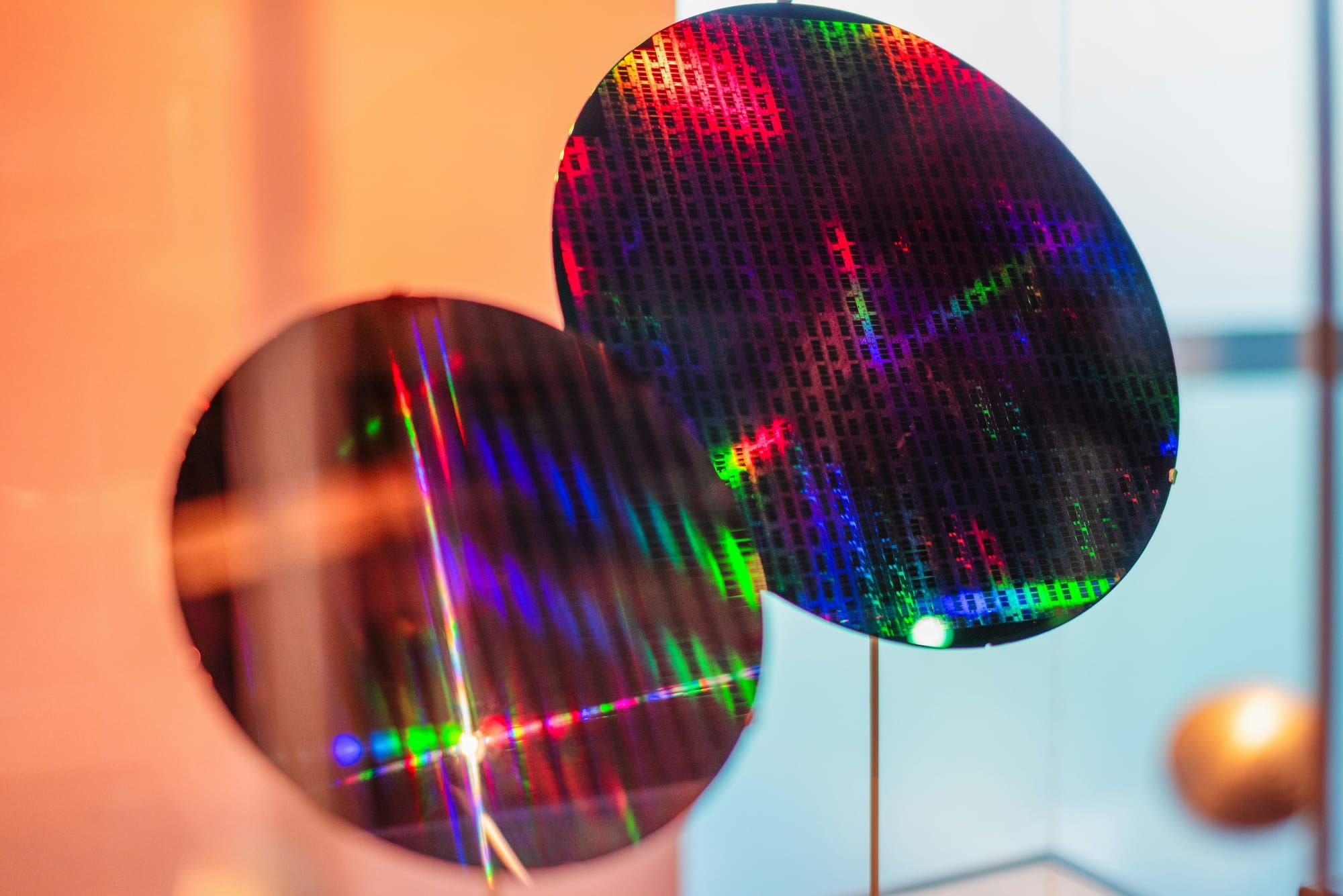
As PFAS regulations accelerate, a logical question arises: why not simply stop using PFAS? For consumer products, cookware, food packaging, and waterproof clothing, this transition is already underway.
But in certain industries, PFAS is not a convenience ingredient that can be swapped out. It is a functional necessity that enables core manufacturing processes. Semiconductor fabrication, pharmaceutical production, battery manufacturing, and specialty chemical processing all depend on fluorinated compounds in ways that have no near-term substitutes.
This article explains why each of these industries cannot simply go PFAS-free, and what that means for the unavoidable PFAS wastewater they generate.
Why Some Industries Cannot Transition Away from PFAS
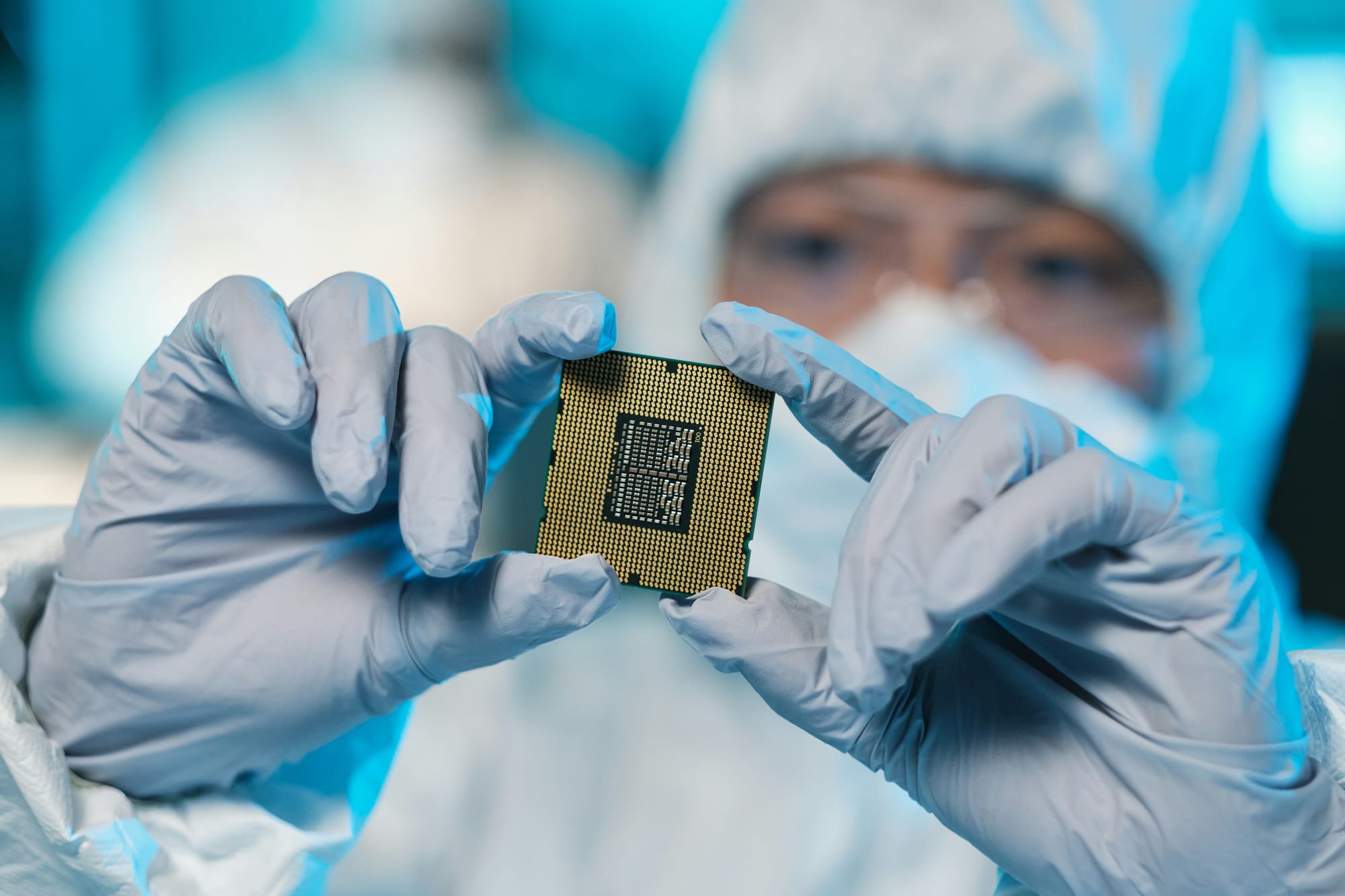
The industrial value of PFAS comes from a combination of properties that is extraordinarily difficult to replicate: simultaneous heat resistance, chemical inertness, ultra-low friction, water and oil repellency, and electrical insulation. No currently commercialized alternative material offers all of these simultaneously.
This is why regulatory bodies, even as they move toward sweeping PFAS restrictions, consistently include exemptions or extended phase-in periods for semiconductor, pharmaceutical, aerospace, and defense applications. The European REACH Universal Restriction explicitly acknowledges "essential uses" where no technically feasible alternatives exist.
Semiconductors and Electronics: Fluorine Is the Process
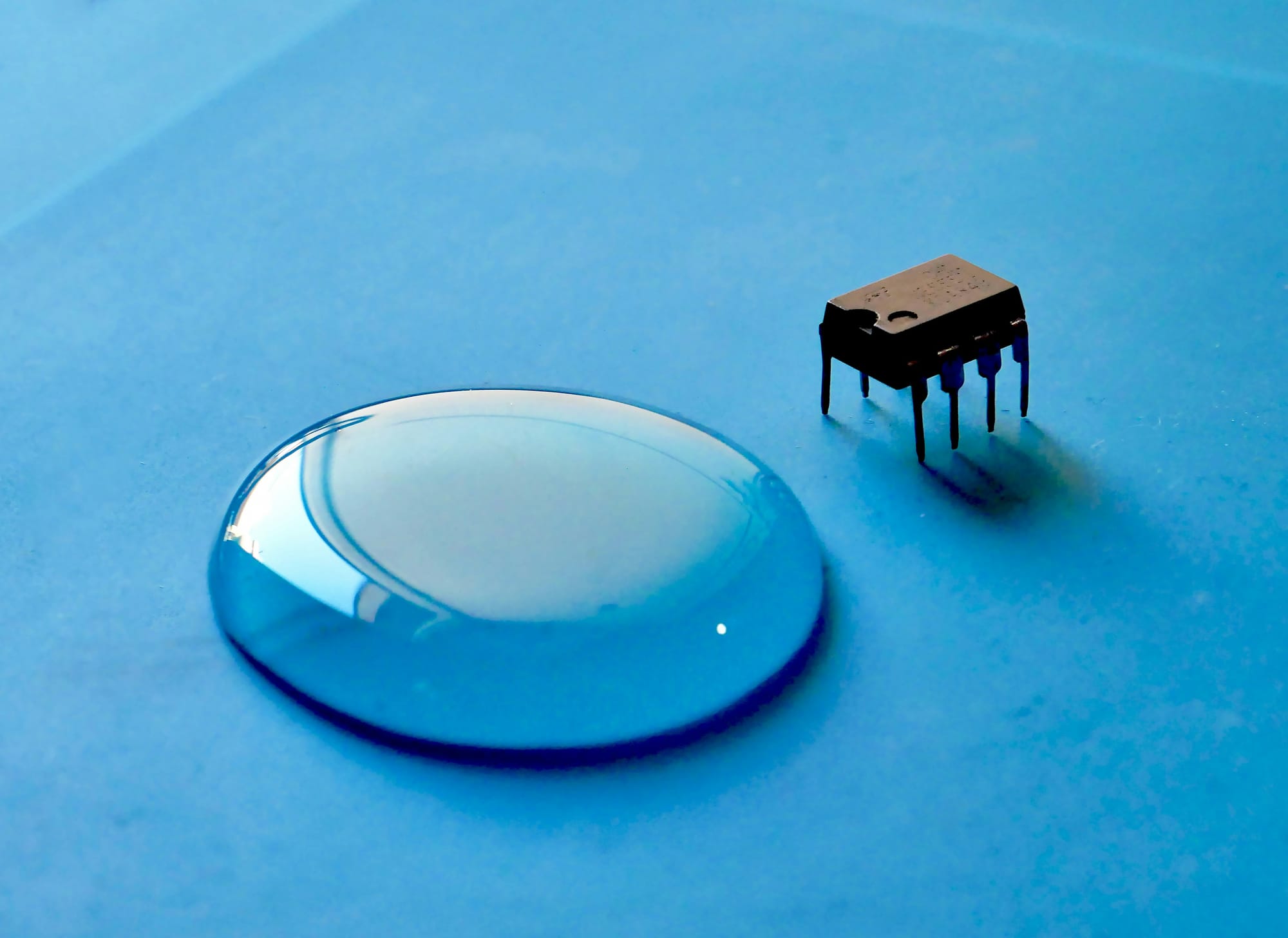
Why It Is Indispensable
| Role | Description |
|---|---|
| Dry Etching | CF4, C2F6, CHF3 gases selectively remove silicon oxide layers at nanometer precision. No non-fluorinated equivalent achieves comparable selectivity and etch rate. |
| Wet Cleaning | Hydrofluoric acid (HF) removes native oxide and particulates from wafer surfaces. Critical to yield. No substitute at commercial scale. |
| Chamber Coatings | PTFE and PFA linings protect plasma chambers from corrosive process gases. Required for equipment longevity. |
| CMP Slurry Dispersants | Fluorinated surfactants maintain slurry uniformity in chemical-mechanical planarization. Affects surface finish directly. |
The PFAS Wastewater Challenge
Semiconductor fabs generate PFAS-bearing wastewater from exhaust scrubbing of fluorinated process gases, wet cleaning process water, and equipment cleaning streams. The matrix is chemically complex, typically containing high concentrations of sulfuric acid alongside PFAS compounds.
CAVITOX has been validated in sulfuric acid matrix conditions representative of semiconductor wastewater, achieving complete destruction of PFOA at 91.5 ppb to below detection limits. This confirms performance in the chemically aggressive conditions specific to semiconductor facility effluent.
Pharmaceutical and Biotech: Fluorine Is Built Into the Drug
Why It Is Indispensable
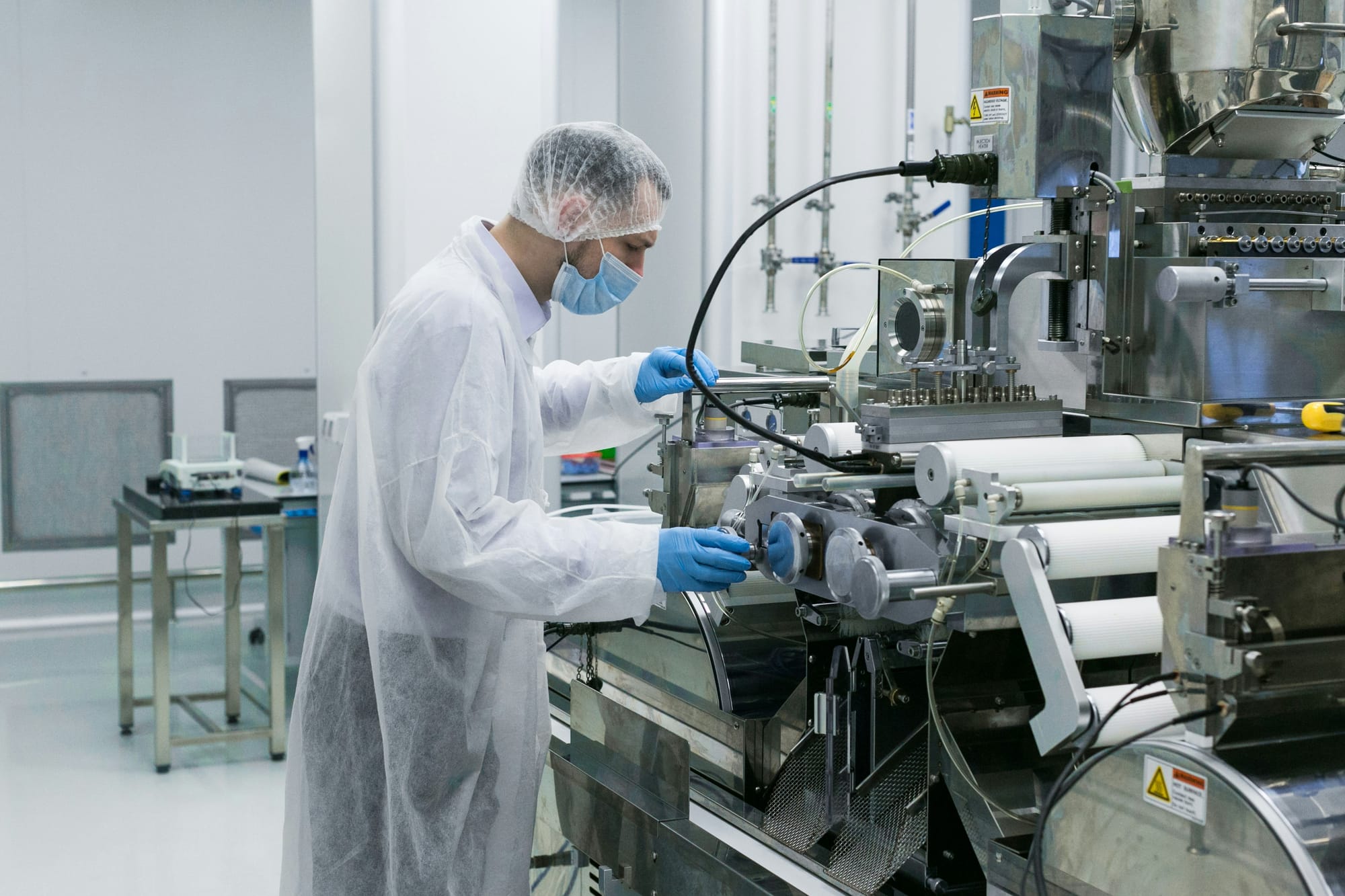
Approximately 20–25% of all approved pharmaceuticals contain at least one fluorine atom. Fluorine substitution in drug molecules increases metabolic stability, improves membrane permeability, and fine-tunes protein binding affinity. These are not cosmetic modifications; they are the difference between a drug that works and one that does not.
| Role | Description |
|---|---|
| Fluorinated APIs | Risperidone, fluoxetine, ciprofloxacin, and hundreds of other blockbuster drugs contain fluorine. Redesigning these molecules requires years of preclinical and clinical work. |
| Reactor and Pipe Coatings | PTFE and PFA coatings protect equipment from corrosive synthesis reagents. GMP contamination prevention requirement. |
| Fluorinated Solvents | HFIP (hexafluoroisopropanol) and similar solvents are indispensable for peptide and protein synthesis. No direct substitute. |
| Drug Delivery Systems | Fluorinated nanoparticles and liposome coatings improve in vivo stability for biologics and targeted delivery systems. |
The PFAS Wastewater Challenge
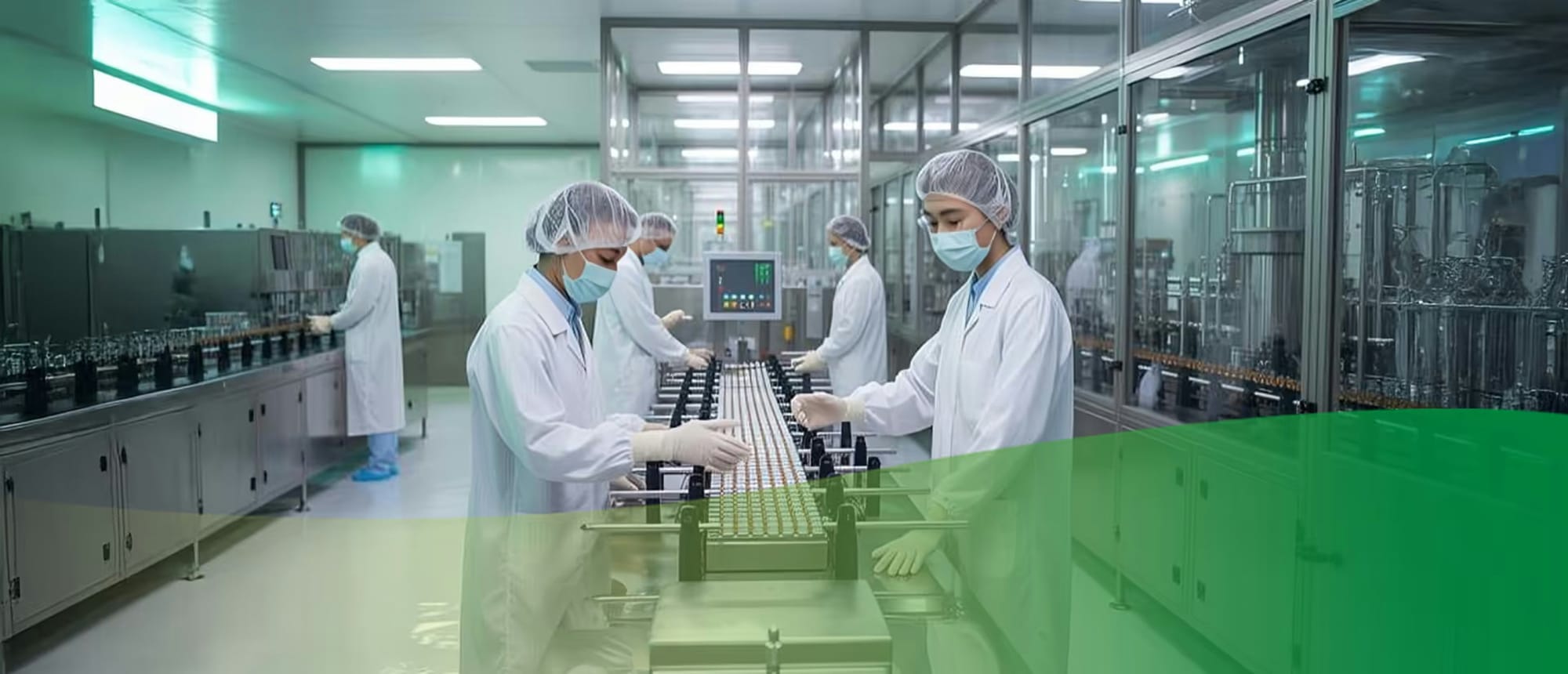
Pharmaceutical manufacturing generates highly complex wastewater containing APIs alongside PFAS, from synthesis cleaning, equipment washing, and fluorinated solvent disposal. This waste stream has historically been managed almost exclusively through incineration, but tightening carbon regulations and ESG commitments are creating demand for alternatives.
CAVITOX has been validated against actual pharmaceutical wastewater including sitagliptin (diabetes medication) at 99.4% destruction, telmisartan (cardiovascular) at 99.9%, PFOB (pharmaceutical PFAS compound) at 99.9%, and tramadol (analgesic) at 99.9%. This validation was conducted in partnership with a major pharmaceutical company PoC engagement.
Battery and Energy Storage: PVDF Holds It Together
Why It Is Indispensable
Lithium-ion batteries require a binder to hold electrode active materials onto current collectors. The dominant binder in use globally is PVDF (polyvinylidene fluoride). PVDF's electrochemical stability, resistance to battery electrolyte, and adhesion to aluminum current collectors make it the industry standard, particularly for high-energy-density cathode materials like NMC and NCA.
| Role | Description |
|---|---|
| PVDF Binder | Dominant binder for cathode (positive) electrodes across commercial Li-ion production. Anode binders have largely transitioned to water-based SBR/CMC; cathode substitution for high-Ni chemistry remains technically limited. |
| Electrolyte Additives | Fluorinated additives in LiPF6-based electrolytes improve SEI layer formation, thermal stability, and cycle life. |
| Separator Coatings | PVDF-coated separators provide thermal shutdown characteristics essential for EV battery safety certification. |
The PFAS Wastewater Challenge
Battery electrode manufacturing generates PVDF-bearing wastewater from slurry preparation, electrode coating, and equipment cleaning, typically in NMP (N-methyl-2-pyrrolidone) solvent. Gigafactory-scale operations produce this wastewater in large volumes, making PFAS treatment capacity a genuine compliance challenge.
Chemical, Coating, and Specialty Materials: Enabling Extreme Conditions
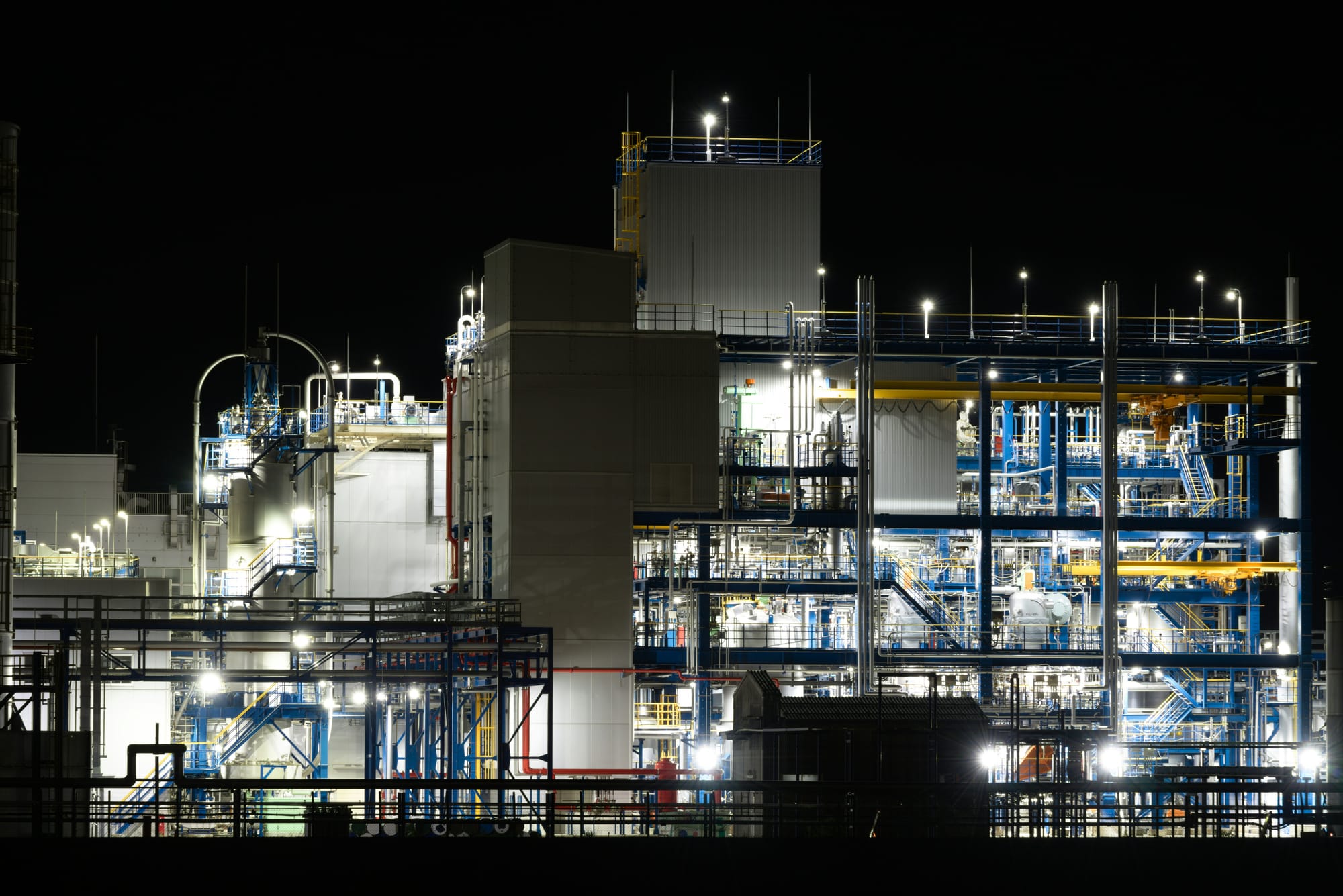
Fluoropolymers (PTFE, FEP, PVDF) perform where other materials fail: corrosion-resistant chemical plant piping, plasma-resistant semiconductor equipment linings, high-temperature aerospace seals, and optical fiber cladding. The extreme conditions these applications face, including strong acids, plasma environments, and temperatures exceeding 200°C, are precisely the conditions where PFAS alternatives fall short.
The Regulatory Reality for Industries That Cannot Avoid PFAS
Coggan et al. (2025), reviewing 505 wastewater treatment plants in ACS Environmental Science & Technology, found that PFAS persists in industrial effluent even after conventional treatment. As discharge standards tighten globally, industries with unavoidable PFAS use face increasing pressure to deploy genuine destruction technology. [D-4]
Fenton et al. (2021) in their comprehensive PFAS toxicity review in Environmental Toxicology and Chemistry documented that even trace PFAS concentrations are associated with immune suppression, thyroid dysfunction, and carcinogenicity. This trajectory points toward continuously tightening limits, making early investment in PFAS destruction technology the lower-risk choice. [D-3]
Industry Overview
| Industry | Key PFAS Compounds | Substitutability | Wastewater Characteristics |
|---|---|---|---|
| Semiconductor | CF4, HF, PTFE coatings | 10+ years to viable alternatives | Sulfuric acid matrix, high concentration |
| Pharmaceutical | Fluorinated APIs, HFIP, PTFE | Molecular redesign required, decades | APIs + PFAS mixed, highly toxic |
| Battery / EV | PVDF binder, electrolyte additives | Partial progress; high-Ni cathodes remain | NMP solvent matrix, large volume |
| Chemical / Coatings | PTFE, FEP, PVDF resins | No alternatives in extreme environments | Mixed with diverse industrial effluents |
Conclusion: The Solution Is Treatment, Not Prohibition
The existence of industries where PFAS-free transition is technically infeasible, at least for the foreseeable future, points to a clear conclusion. For these sectors, PFAS regulatory compliance is not primarily about eliminating PFAS use. It is about treating the PFAS that is generated as effectively as possible.
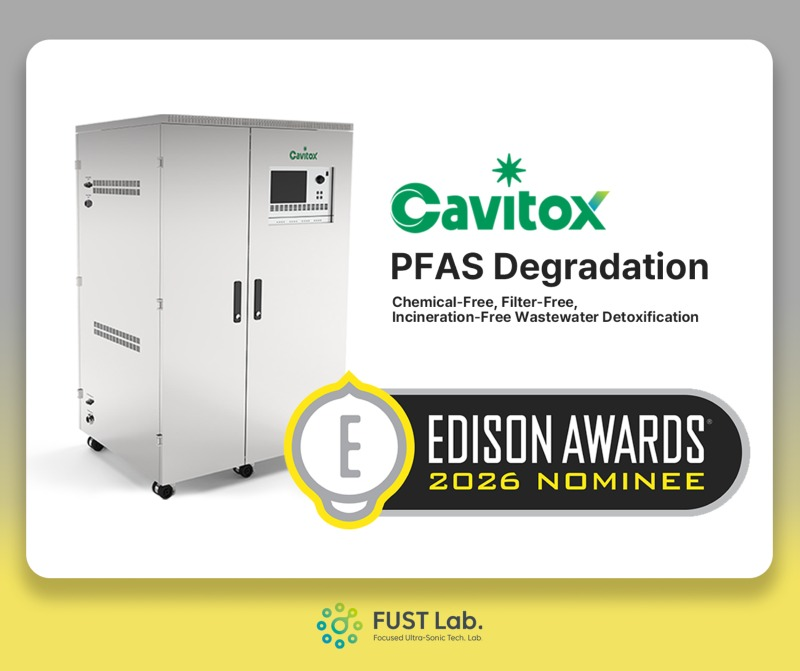
CAVITOX is a next-generation water treatment solution that directly destroys PFAS at the molecular level using focused ultrasonic energy, without chemicals, incineration, or secondary waste generation. (FUST Lab.)
CAVITOX has been validated in the actual wastewater conditions of each of these industries: sulfuric acid semiconductor matrix, API-bearing pharmaceutical wastewater, and complex multi-PFAS industrial effluent. 99.99%+ destruction efficiency across 12+ PFAS compounds, confirmed by independent testing.
Frequently Asked Questions
Is there a timeline for when semiconductor fabs might eliminate fluorinated gas use?
The semiconductor industry is researching lower-GWP alternatives for high-GWP chamber cleaning gases (NF3, SF6) and etching gases (CF4, C2F6, CHF3). Chamber cleaning alternatives are further along, but etching gas substitutes present a harder challenge due to unique chemical selectivity requirements. Most industry roadmaps do not project commercially viable non-fluorinated etching alternatives within the next 10–15 years.
Are water-based battery binders commercially viable yet?
For graphite anodes, water-based SBR/CMC binders are already standard in most commercial cells. For high-energy-density cathodes, particularly high-Ni NMC and NCA, PVDF remains dominant due to its superior chemical stability against the highly oxidizing cathode environment. Full cathode substitution is an active research area but not yet commercially established for premium cells.
Has CAVITOX been applied in pharmaceutical manufacturing environments?
Yes. FUST Lab conducted a PoC engagement with a major pharmaceutical company and validated CAVITOX performance in actual pharmaceutical process wastewater containing APIs including sitagliptin, telmisartan, PFOB, and tramadol, all achieving 99.4–99.9% destruction efficiency. Details on application conditions and results are available upon inquiry.
PFAS Destruction for Industries That Cannot Go PFAS-Free
Validated in semiconductor (sulfuric acid matrix), pharmaceutical (API-bearing), and complex industrial wastewater conditions. CAVITOX delivers 99.99%+ PFAS destruction without chemicals, incineration, or secondary waste.
Learn more about CAVITOX → sales@fustlab.com | www.fustlab.com
References
- [D-3] Fenton, S. E., et al. (2021). "Per- and Polyfluoroalkyl Substance Toxicity and Human Health Review: Current State of Knowledge and Strategies for Informing Future Research." Environmental Toxicology and Chemistry. Read the paper ↗
- [D-4] Coggan, T. L., et al. (2025). "A Critical Review of PFAS Analysis, Occurrence, and Fate in Wastewater Treatment Plants." Environmental Science & Technology (ACS). Read the paper ↗