Designing PFAS Treatment Systems: Matching Process Stages to Contamination Conditions
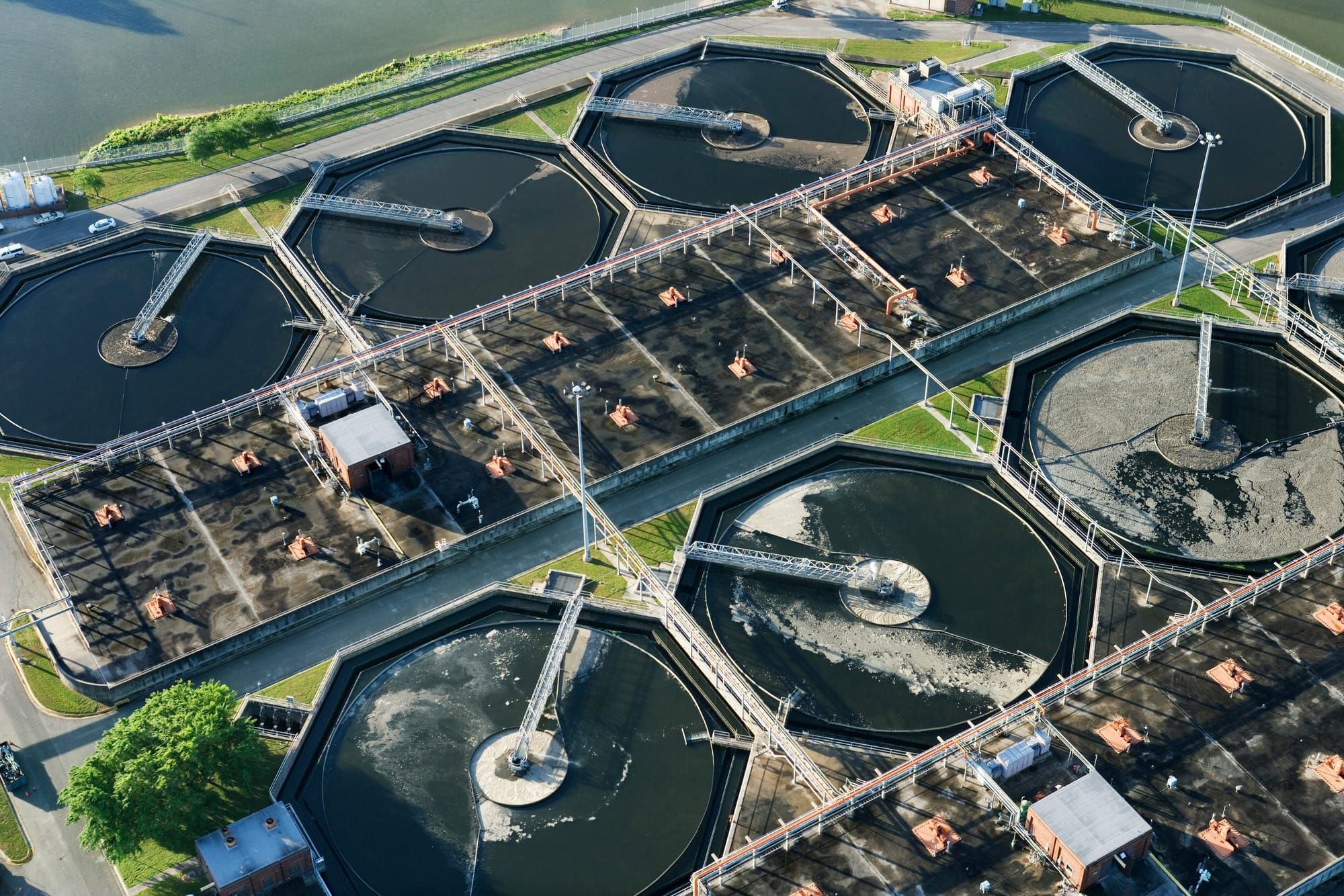
PFAS treatment is rarely one technology. The right system depends on the medium, the concentration, the flow rate, and the target level. This guide extends the concentrate-then-destroy idea into a set of treatment trains for different conditions, and it clears up a common source of confusion about what advanced oxidation process actually means. It is the closing article in this series, and it pulls together the threads of site remediation and vendor evaluation into a single design view.
In our earlier selection guide we introduced a hybrid model in one paragraph, using a single low-concentration, high-volume example. This article takes that idea and expands it across contamination conditions.
Why PFAS Water Treatment Is a System, Not a Single Technology
No single process fits every stream, because the contamination itself is not one thing.
The Concentrate-then-Destroy Logic, Extended
The core idea is simple: separation and concentration reduce a large volume of lightly contaminated water into a small volume of heavily contaminated concentrate, and destruction then eliminates the PFAS in that concentrate. This pairing appears across the market precisely because it lets an expensive destruction step act on the smallest possible volume. The design question is how the pairing changes when the contamination changes.
Matching the Train to the Contamination Condition
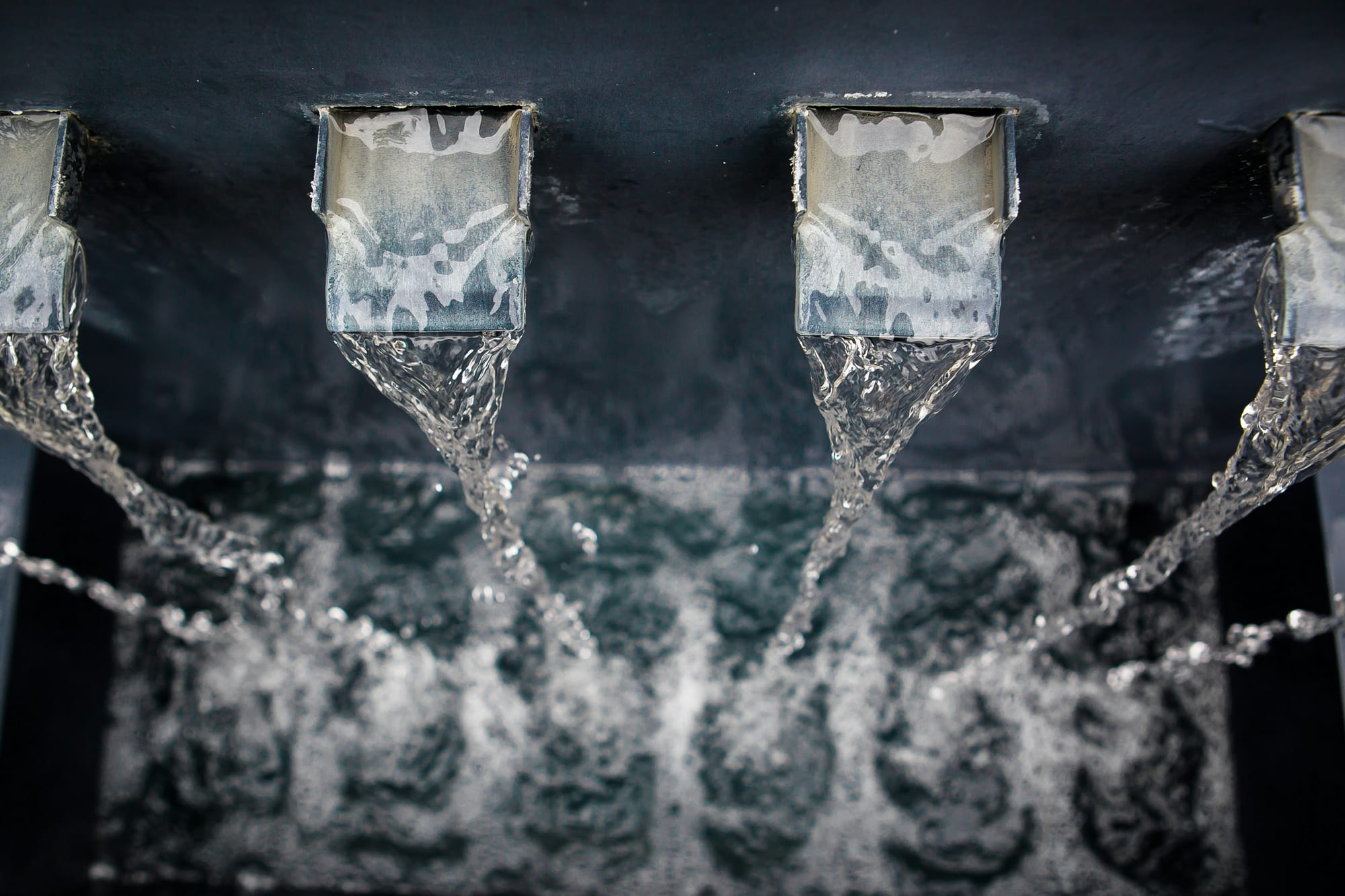
A treatment train is the ordered sequence of processes a stream passes through. The correct train is set by four inputs: the medium (water, soil leachate, or a reject stream), the PFAS concentration, the flow rate, and the required final level. Change any of these and the ideal train changes with it.
PFAS Treatment Trains by Contamination Condition
Three representative conditions show how the same logic produces different systems.
High-Concentration, Low-Volume Industrial Wastewater
Semiconductor and pharmaceutical process streams can carry high PFAS concentrations in modest volumes. Here, pretreatment can be minimal, because the concentration is already high enough for a destruction step to work efficiently. The train is short: light conditioning, then direct destruction.
Low-Concentration, High-Volume Municipal Water
Drinking water and municipal wastewater carry low PFAS concentrations across very large volumes. Destroying every gallon directly would be wasteful, so the train front-loads adsorption or membrane separation to concentrate the PFAS, and only the small concentrated stream goes to destruction. The reasoning that existing treatment plants do not remove PFAS on their own, documented in a large review of hundreds of wastewater plants by Coggan et al. (2025) in Environmental Science and Technology, is exactly why a dedicated concentrate-and-destroy train is needed here.
Soil and Groundwater Remediation Sites
At contaminated sites, extraction and soil washing produce a PFAS-laden liquid, and that liquid becomes the feed for the same concentrate-and-destroy logic. This is where the remediation work described in our site remediation article hands off to a destruction stage, closing the loop between cleanup and elimination.
Advanced Oxidation Process (AOP) Is Not One Thing
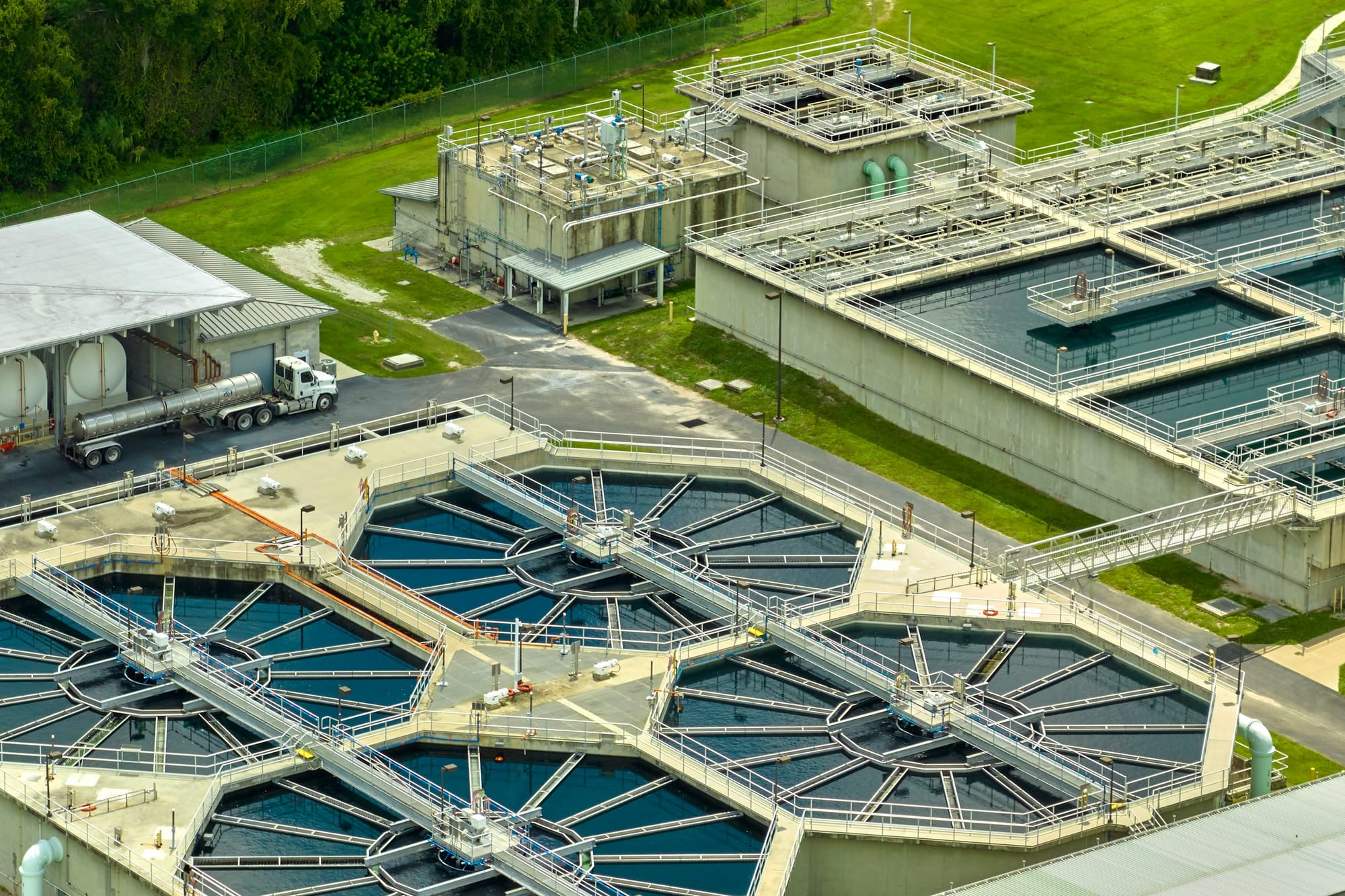
AOP is used loosely, and the looseness hides an important distinction for anyone designing a system.
Chemical AOP versus Physical Destruction
Conventional AOP often refers to chemical routes that dose oxidants such as ozone and hydrogen peroxide to generate reactive species. Physical destruction routes, including cavitation-based approaches, generate reactive conditions without those chemical dosing streams. Awoyemi et al. (2024), reviewing ultrasonic degradation in Environments, frame hybrid combinations rather than treating all oxidation as interchangeable, which is the right instinct: the role a process plays in the train matters more than the AOP label.
Pretreatment Stage versus Final Destruction Stage
The clearest way to avoid the confusion is to sort processes by the job they do in the train, not by the name they carry.
| Stage | Suitable Processes | Role in the Train |
|---|---|---|
| Separation and concentration | Activated carbon, ion exchange, membranes | Shrink volume, raise PFAS concentration |
| Final destruction | Cavitation-based and other destruction routes | Break carbon-fluorine bonds, mineralize PFAS |
| Polishing and monitoring | Residual capture, analytics | Verify target level, confirm defluorination |
A PFAS System Designer's Checklist
System design is a set of matched decisions, not a single product choice.
The Four Inputs That Decide the Train
Start with medium, concentration, flow rate, and target level. High concentration and low volume favor a short train with direct destruction. Low concentration and high volume favor concentration first. The target level sets how aggressive the final stage and any polishing step must be.
Where Vendor Evaluation Fits
Once the train is drawn, the destruction stage still has to be filled by a specific technology, and that is where performance-data evaluation applies. The eight-point vendor checklist from our destruction evaluation guide is how you choose the technology that occupies the final stage, so system design and vendor evaluation are two halves of the same decision.
Frequently Asked Questions
How do you design a PFAS treatment system?
By matching a treatment train to the medium, concentration, flow rate, and target level. High-concentration low-volume streams can go to direct destruction, while low-concentration high-volume streams are concentrated first and only the concentrate is destroyed.
When should you concentrate PFAS before destroying it?
When the volume is large and the concentration is low. Concentrating first lets an expensive destruction step act on a small stream, which is more efficient than destroying every gallon directly.
Is AOP a single technology?
No. Advanced oxidation covers chemical routes that dose oxidants and physical routes such as cavitation that do not. What matters in system design is the role a process plays, either concentration or final destruction, not the shared label.
What process fits high-concentration industrial wastewater?
A short train with minimal pretreatment and direct destruction, because the concentration is already high enough for the destruction stage to operate efficiently.
The Bottom Line
The goal is not to crown one technology. It is to design the combination that fits the site, matching each stage to the medium, concentration, flow, and target. That closes this series: contamination pathways, site remediation, vendor evaluation, and now system design are four views of a single problem.
References
- [Coggan et al., 2025] Coggan, T. L., et al. (2025). "A Critical Review of PFAS Analysis, Occurrence, and Fate in Wastewater Treatment Plants." Environmental Science & Technology (ACS). Read the paper ↗
- [Awoyemi et al., 2024] Awoyemi, O. S., et al. (2024). "Advancements on Ultrasonic Degradation of Per- and Polyfluoroalkyl Substances (PFAS): Toward Hybrid Approaches." Environments (MDPI), 11(9), 187. Read the paper ↗