How to Choose the Right PFAS Treatment Technology: 5 Criteria That Actually Matter
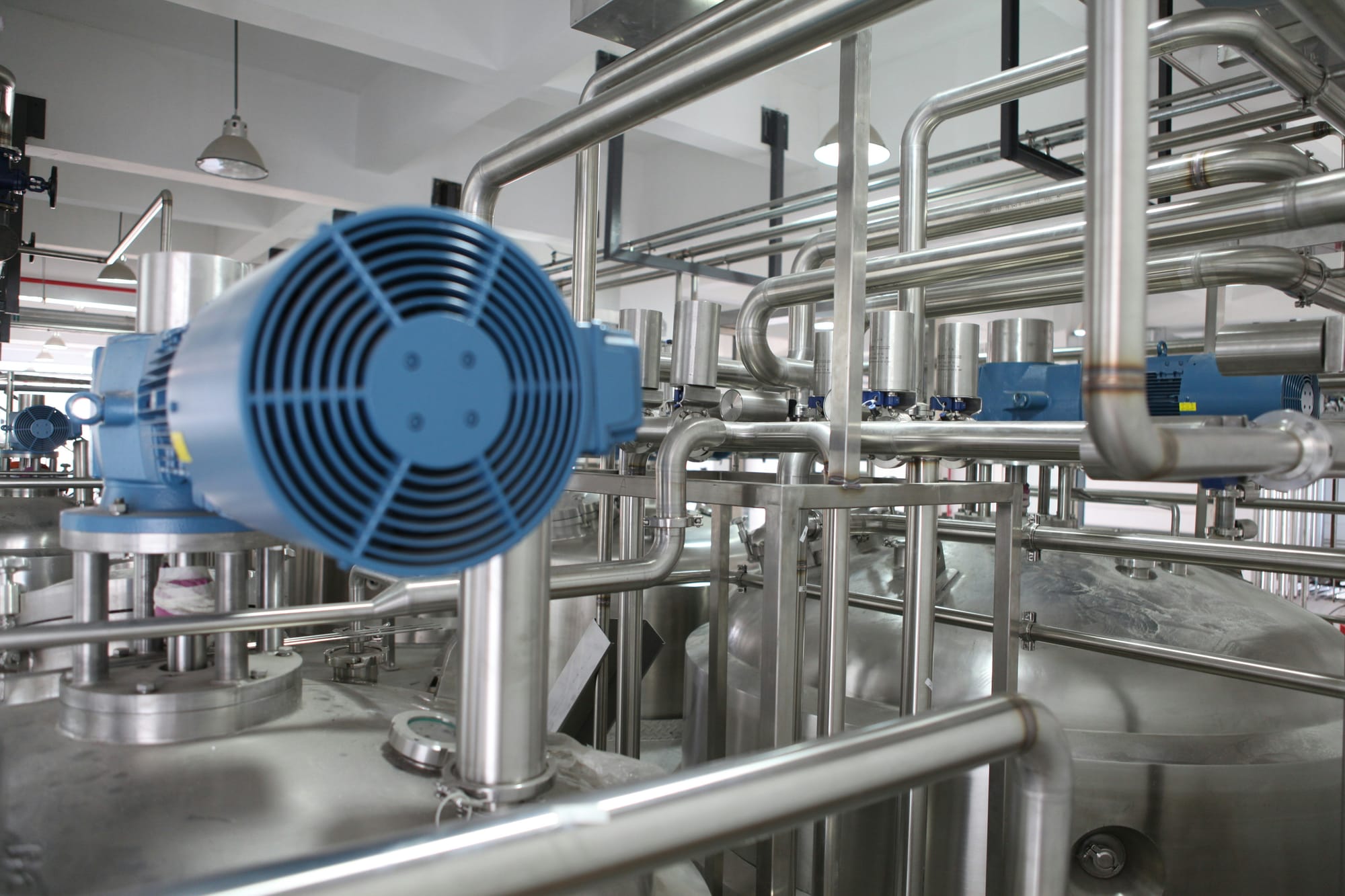
CAVITOX is a next-generation water treatment solution that directly destroys PFAS at the molecular level using focused ultrasonic energy, without chemicals, incineration, or secondary waste generation. (FUST Lab.)
As PFAS regulations tighten, the question facing environmental engineers, procurement managers, and facility operators is no longer whether to act. It is which technology to choose.
Activated carbon, reverse osmosis, UV-AOP, electrochemical oxidation, incineration, and focused ultrasound all exist in the market. Each comes with its own claims. This guide does not advocate for any specific product. Instead, it identifies five criteria that should drive any rigorous technology evaluation, with data to show how current options measure up.
How Should PFAS Treatment Technology Be Evaluated?
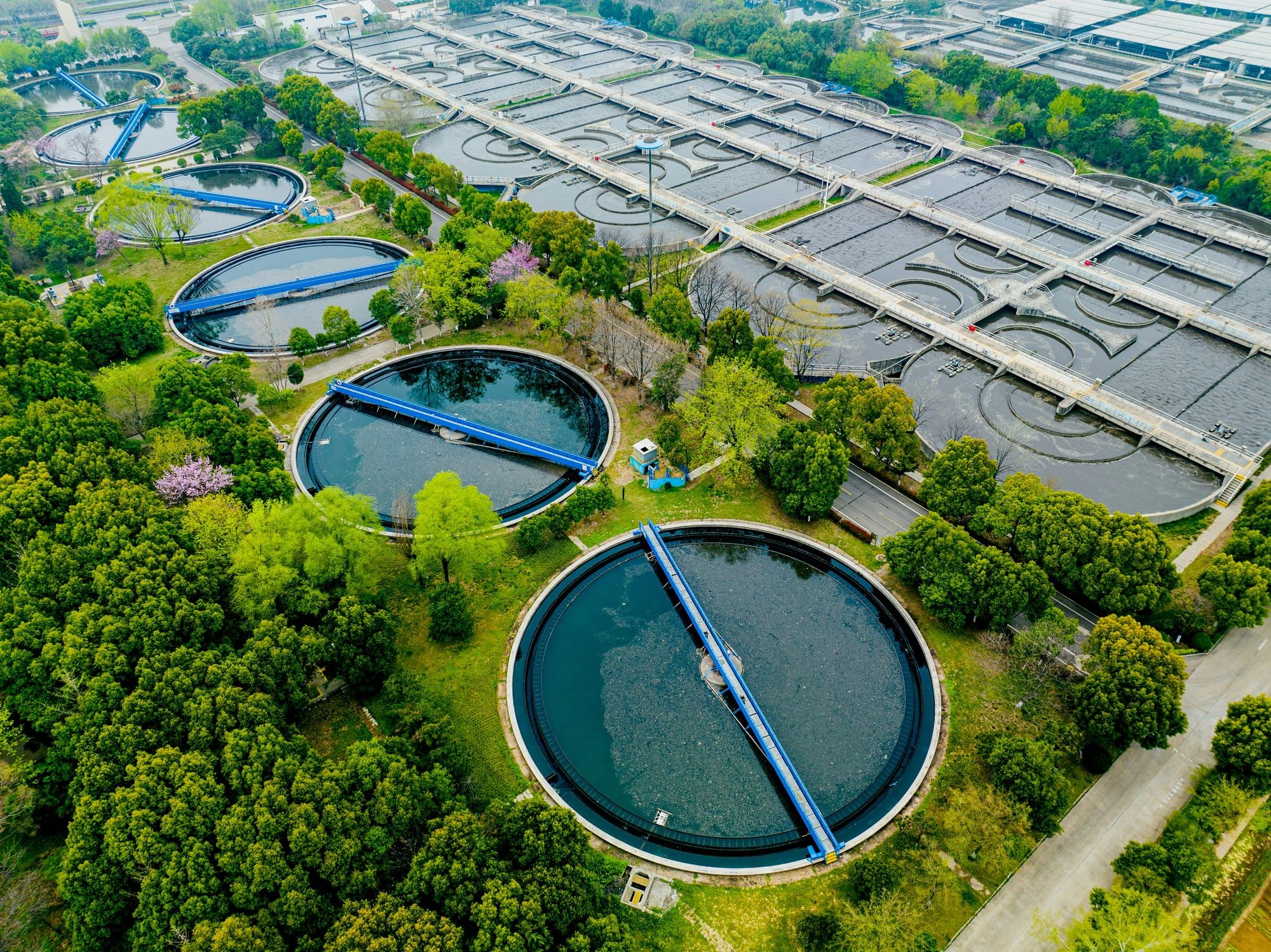
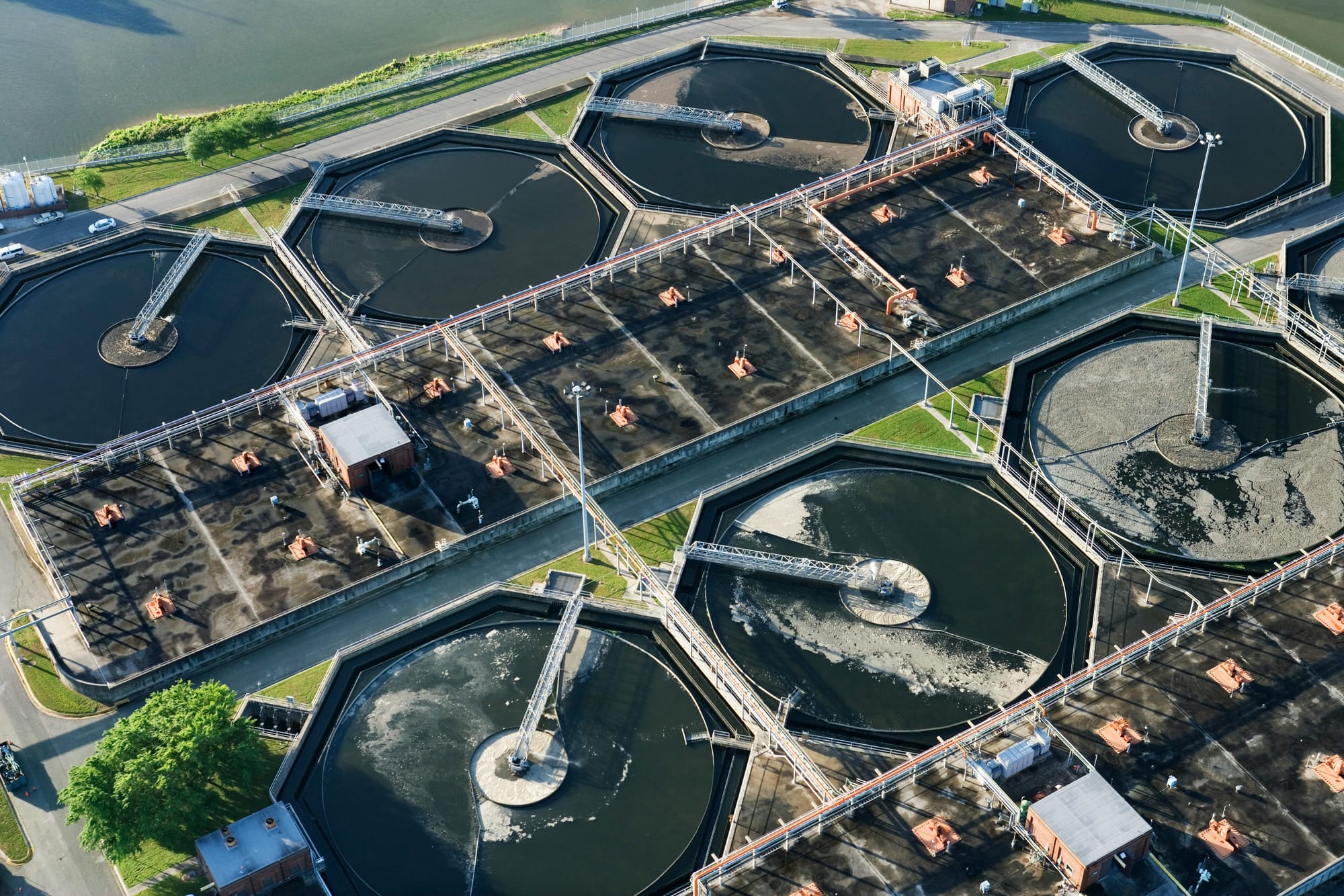
"An analysis of 505 wastewater treatment plants worldwide found that conventional primary, secondary, and tertiary treatment processes consistently fail to adequately remove or destroy PFAS, with significant concentrations persisting in effluent. Existing water treatment infrastructure is not equipped to meet tightening PFAS discharge standards." [D-4]
This finding means that for most facilities, new technology adoption is now a compliance requirement, not an option. The question shifts to: what technology actually solves the problem?
Criterion 1: Does It Actually Destroy PFAS, or Just Move It?
The most fundamental question in PFAS treatment is whether a technology destroys PFAS, breaking C-F bonds and converting it to harmless inorganic compounds, or merely moves PFAS from one medium to another.
Transfer vs. Destruction
| Approach | What Happens |
|---|---|
| Transfer technologies | PFAS is separated from water and concentrated into another medium: spent carbon, reject concentrate, or ash. PFAS still exists and requires further management. |
| Destruction technologies | C-F bonds are cleaved. PFAS is converted to CO₂, fluoride ions (F⁻), and water. PFAS no longer exists after treatment. |
| Transfer examples | Activated carbon (GAC/PAC), reverse osmosis (RO), ion exchange resins |
| Destruction examples | High-temperature incineration, electrochemical oxidation (partial), UV-AOP (partial), focused ultrasound (CAVITOX) |
Criterion 2: Does It Generate Secondary Waste?
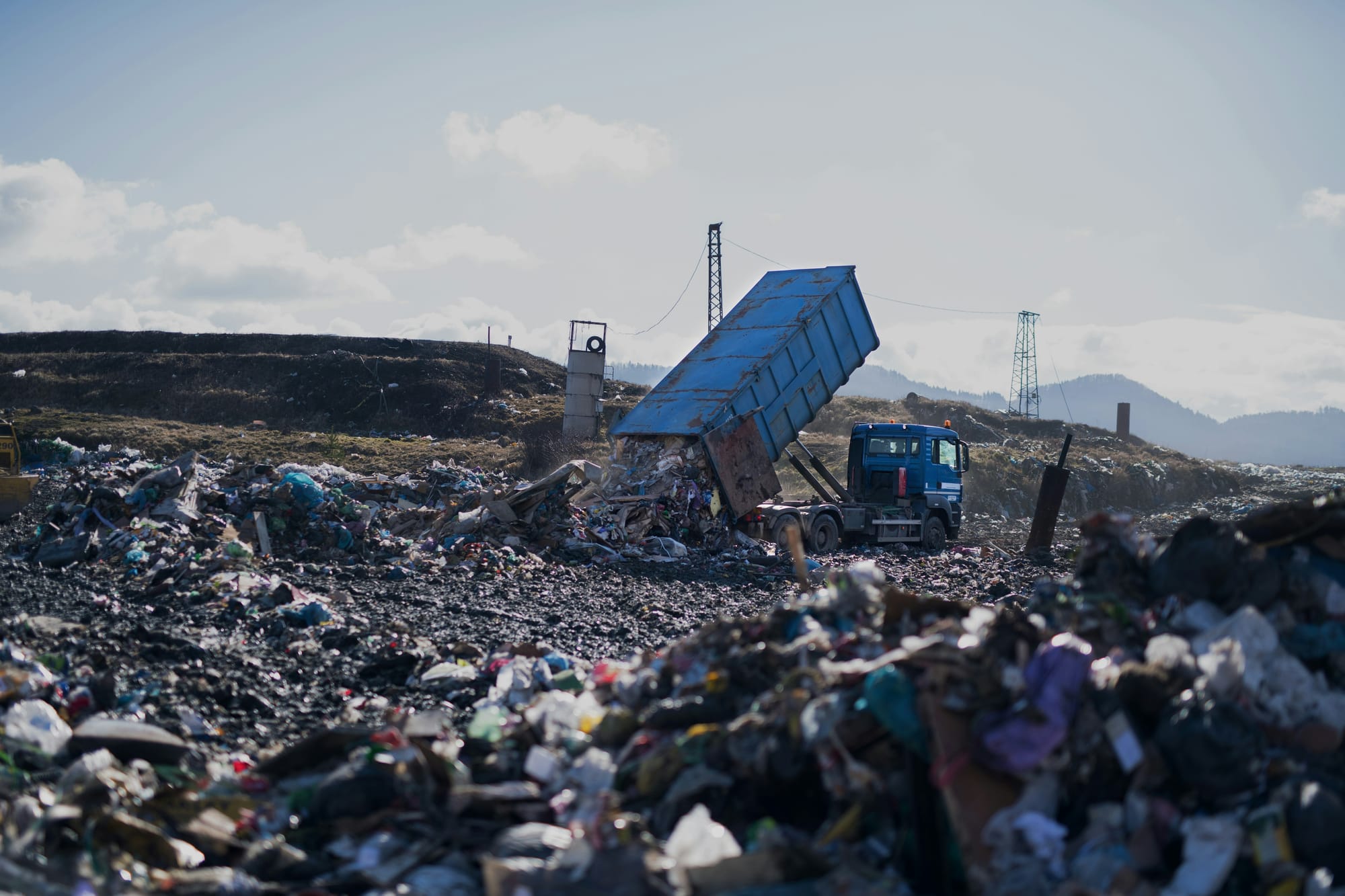
A frequently overlooked dimension of PFAS treatment evaluation is secondary waste generation. A technology that moves PFAS to a filter, concentrate, or ash stream has not eliminated the PFAS. It has created a new disposal problem.
- Activated carbon: Spent carbon must be regenerated or incinerated. Incomplete incineration releases PFAS in stack gases. Ash contains residual PFAS that can leach into groundwater.
- Reverse osmosis: Generates high-concentration reject water that requires separate treatment.
- Incineration: Produces CO₂ and ash with potential PFAS residues. Carbon intensive.
- Focused ultrasound (CAVITOX): Final products are CO₂, F⁻, and H₂O. No secondary waste requiring further treatment.
Criterion 3: Does It Require Chemical Inputs?
Many advanced oxidation processes (AOPs) rely on ozone, hydrogen peroxide, and photocatalysts to generate OH radicals. These are effective in principle but carry operational challenges:
- Ongoing chemical procurement, storage, handling, and safety management costs
- Risk of residual chemical contamination in treated effluent
- High capital cost of ozone generation equipment
- Dosage sensitivity: over-dosing creates toxic byproducts; under-dosing reduces effectiveness
Technologies that operate on physical energy alone, without chemical inputs, eliminate these operational complexities and reduce secondary contamination risk.
Criterion 4: Is It Validated in Real, Complex Wastewater Conditions?
Laboratory results and industrial reality are different environments. Real industrial wastewater contains mixtures of PFAS at varying concentrations, alongside sulfuric acid (semiconductor fabs), active pharmaceutical ingredients (pharma plants), or dozens of co-contaminants (AFFF-impacted groundwater).
"Testing focused ultrasound on real complex PFAS matrices, including groundwater, industrial wastewater, and AFFF-impacted samples, confirmed effective degradation of PFAS mixtures under conditions representative of actual industrial applications." [A-5]
FUST Lab has validated CAVITOX performance specifically in sulfuric acid matrix (semiconductor conditions), pharmaceutical wastewater containing multiple APIs, and three real PFAS-contaminated groundwater samples, all achieving complete destruction to below detection limits.
Criterion 5: Can It Scale from Pilot to Industrial Production?
Many technologies demonstrate results at bench or pilot scale but fail to maintain cost-performance ratios at industrial volumes. Scalability must be evaluated before commitment.
"For industrial-scale PFAS treatment, a combination of standalone high-concentration treatment and hybrid approaches integrating ultrasound with membrane or adsorption pre-concentration offers the most practical pathway for large-volume, low-concentration water sources." [A-3]
CAVITOX Scale-Up Strategy: Direct + Hybrid
| Deployment Model | Best Fit |
|---|---|
| Direct Deployment (high-concentration) | Semiconductor, chemical, pharmaceutical industrial wastewater. CAVITOX installed inline after existing treatment. Standalone mineralization, no activated carbon, no incineration. |
| Hybrid Model (large-volume, low-concentration) | Drinking water, municipal wastewater. Membrane or adsorption pre-concentrates PFAS, then CAVITOX destroys the concentrated stream only. Maximizes efficiency across total flow volume. |

ESG and Scope 3: How Treatment Choice Affects Carbon Liability
PFAS treatment technology selection is not only a regulatory compliance decision. Different approaches carry significantly different carbon and ESG implications.
| Treatment Approach | Scope 3 Impact | ESG Assessment |
|---|---|---|
| Activated carbon + external incineration | Third-party incineration generates Scope 3 CO₂. Logistics adds further emissions. | Supply chain ESG risk; documented in audits |
| On-site high-temperature incineration | Direct Scope 1 + energy as Scope 2 | Conflicts with net-zero commitments |
| UV-AOP | Chemical (H₂O₂) manufacturing and transport adds Scope 3 | Chemical procurement supply chain risk |
| Focused ultrasound (CAVITOX) | No chemicals, no incineration. Only electricity (Scope 2). | Lowest carbon footprint. Strong ESG reporting asset |
5-Criteria Comprehensive Evaluation
| Technology | ① Destroys PFAS | ② No Secondary Waste | ③ Chemical-free | ④ Complex Matrices | ⑤ Industrial Scale |
|---|---|---|---|---|---|
| Activated Carbon | ❌ | ❌ Spent carbon | ✅ | Partial | ✅ |
| Reverse Osmosis | ❌ | ❌ Reject stream | ✅ | ❌ Short-chain | ✅ |
| UV-AOP | Partial | ✅ | ❌ | Conditional | Limited |
| Electrochemical | Partial | Partial | ❌ | Conditional | Difficult |
| High-temp Incineration | ✅ | ❌ CO₂, ash | ✅ | ✅ | ✅ |
| CAVITOX (Focused US) | ✅ 99.99% | ✅ None | ✅ | ✅ Validated | ✅ Modular |
Matching Technology to Your Situation
| Situation | Recommended Approach |
|---|---|
| High-concentration industrial wastewater (semiconductor, pharma, chemical) | CAVITOX direct inline installation: standalone PFAS mineralization without activated carbon or incineration. |
| Large-volume, low-concentration (municipal water, drinking water) | Membrane or adsorption pre-concentration, then CAVITOX treats the concentrated stream only. Hybrid model maximizes cost efficiency. |
| Pilot validation phase | CAVITOX demo unit lease for real-wastewater performance verification before full installation commitment. |
| ESG / net-zero priority | CAVITOX generates no Scope 1/3 carbon from treatment. Clear advantage for sustainability reporting vs. incineration. |
Frequently Asked Questions
We already have activated carbon installed. Do we need to replace it?
Not necessarily. CAVITOX can complement existing activated carbon systems rather than replace them outright. A hybrid model, concentrating PFAS with carbon adsorption and then destroying the concentrated stream with CAVITOX, allows you to leverage existing infrastructure while achieving genuine destruction. This approach is particularly practical for large-volume, low-concentration applications.
What PFAS removal efficiency does CAVITOX deliver in real conditions?
In validated tests against real PFAS-contaminated groundwater samples (A, B, C sites), CAVITOX reduced all 12 target PFAS compounds to below detection limits. In industrial wastewater including semiconductor and pharmaceutical API wastewater, 99.4%–99.99% destruction efficiency was confirmed by independent testing laboratories including KOTITI.
Is focused ultrasound the only technology that meets all five criteria?
High-temperature incineration can achieve genuine destruction but generates CO₂, ash, and carries high cost and carbon liability. As of 2026, focused ultrasound (CAVITOX) is the technology that most comprehensively satisfies all five criteria with validated industrial-scale data, though technology landscapes evolve and comparative evaluation is always recommended.
What happens if we don't invest in PFAS treatment now?
U.S. EPA MCL compliance is required by April 2029. EU facilities face tightening industrial discharge standards under the revised IED. PFOA and PFOS are now Superfund hazardous substances, triggering cleanup liability for polluters. The 3M settlement demonstrates that delayed action dramatically increases financial exposure. Early investment in compliant technology is increasingly the lower-cost choice.
Evaluating PFAS Treatment Options?
CAVITOX meets all five criteria for effective, sustainable PFAS treatment. Pilot testing with your actual wastewater conditions is available. Contact FUST Lab for a site-specific evaluation.
Learn more about CAVITOX → sales@fustlab.com | www.fustlab.com
References
- [D-4] Coggan, T. L., et al. (2025). "A Critical Review of PFAS Analysis, Occurrence, and Fate in Wastewater Treatment Plants." Environmental Science & Technology (ACS). Read the paper ↗
- [A-3] Awoyemi, O. S., et al. (2024). "Advancements on Ultrasonic Degradation of Per- and Polyfluoroalkyl Substances (PFAS): Toward Hybrid Approaches." Environments (MDPI), 11(9), 187. Read the paper ↗
- [A-5] Sidnell, T., et al. (2025). "Ultrasound for degradation of complex matrices of PFAS mixtures." Environmental Science and Pollution Research, Springer Nature. Read the paper ↗