After PFAS-Free: How PFAS-Contaminated Sites Are Actually Remediated
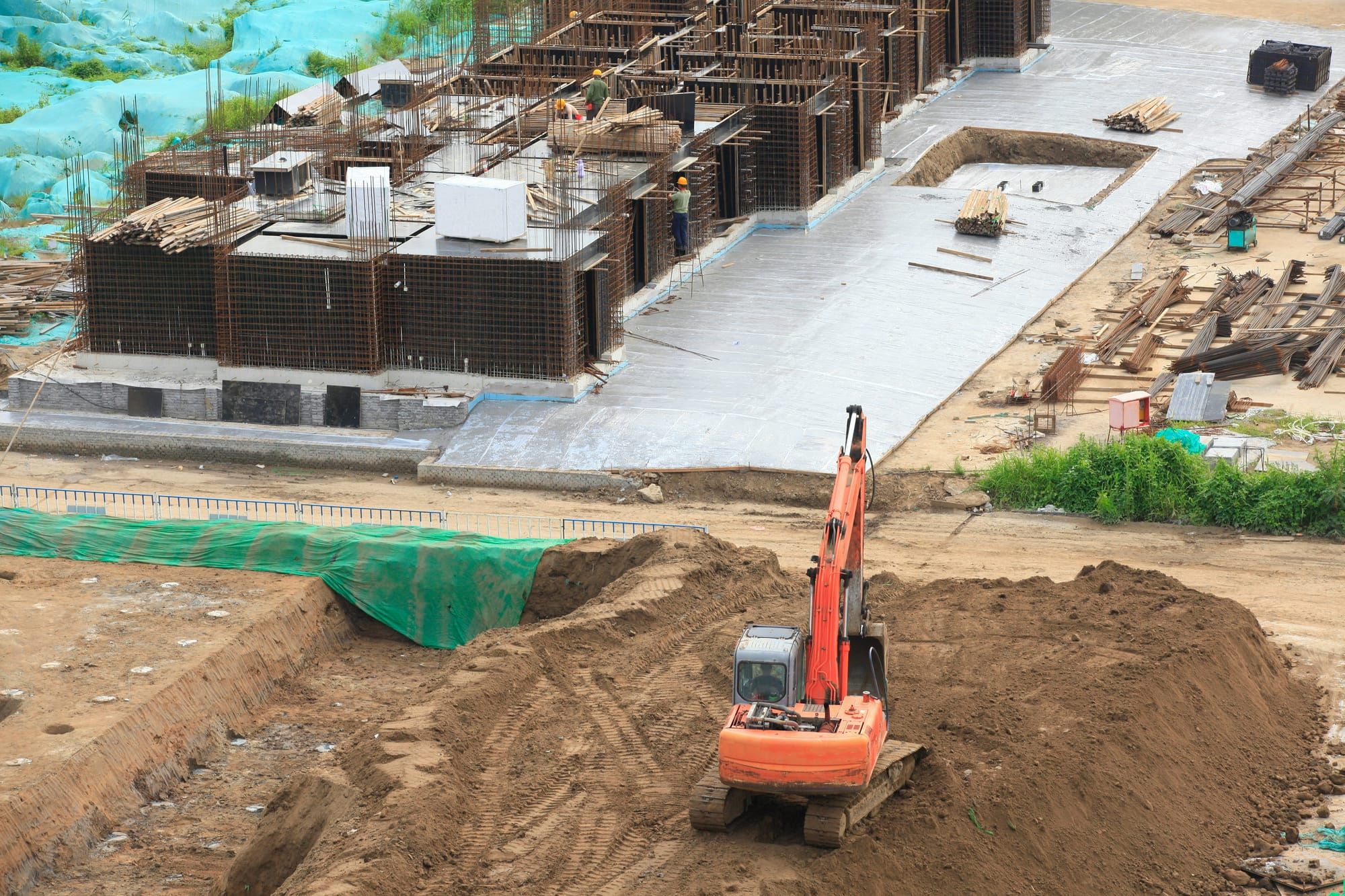
Going PFAS-free prevents new contamination. It does nothing for the PFAS already in the soil and groundwater. Remediating a contaminated site is a separate discipline with its own methods, sequence, and hard limits. This guide walks through how PFAS remediation actually happens on soil and groundwater, what in-situ and ex-situ mean in practice, and why these projects take years and large budgets to complete.
It follows our earlier article on how PFAS spreads through the environment. That piece covered the pathways. This one starts where the contamination has already arrived.
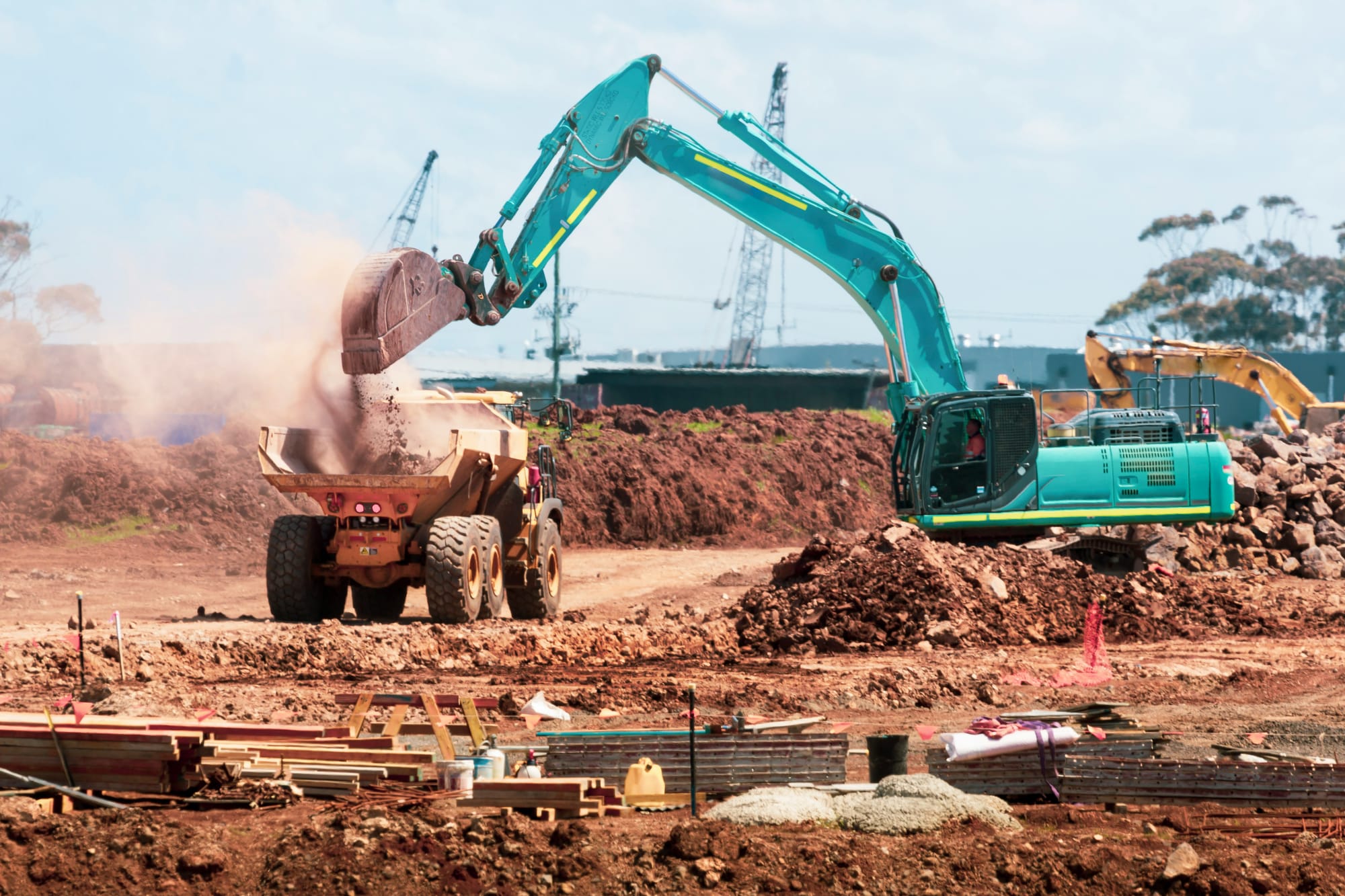
PFAS-Free Prevention and Site Remediation Are Two Different Problems
The words sound related, but they solve opposite halves of the problem, and confusing them leads to the wrong budget and the wrong timeline.
Prevention Stops New Input; Remediation Treats Legacy Mass
PFAS-free is a design and procurement decision: stop putting these compounds into products and processes so no new contamination enters the environment. Remediation is a cleanup decision: remove or contain the mass that is already in a specific place. A facility can be fully PFAS-free tomorrow and still sit on decades of accumulated contamination that needs its own project.
This Article Picks Up Where Contamination Pathways Left Off
PFAS moves from firefighting foam, industrial discharge, and landfill leachate into soil, groundwater, and air, as covered in the earlier pathways article. From here we treat that spread as given and focus on the cleanup itself.
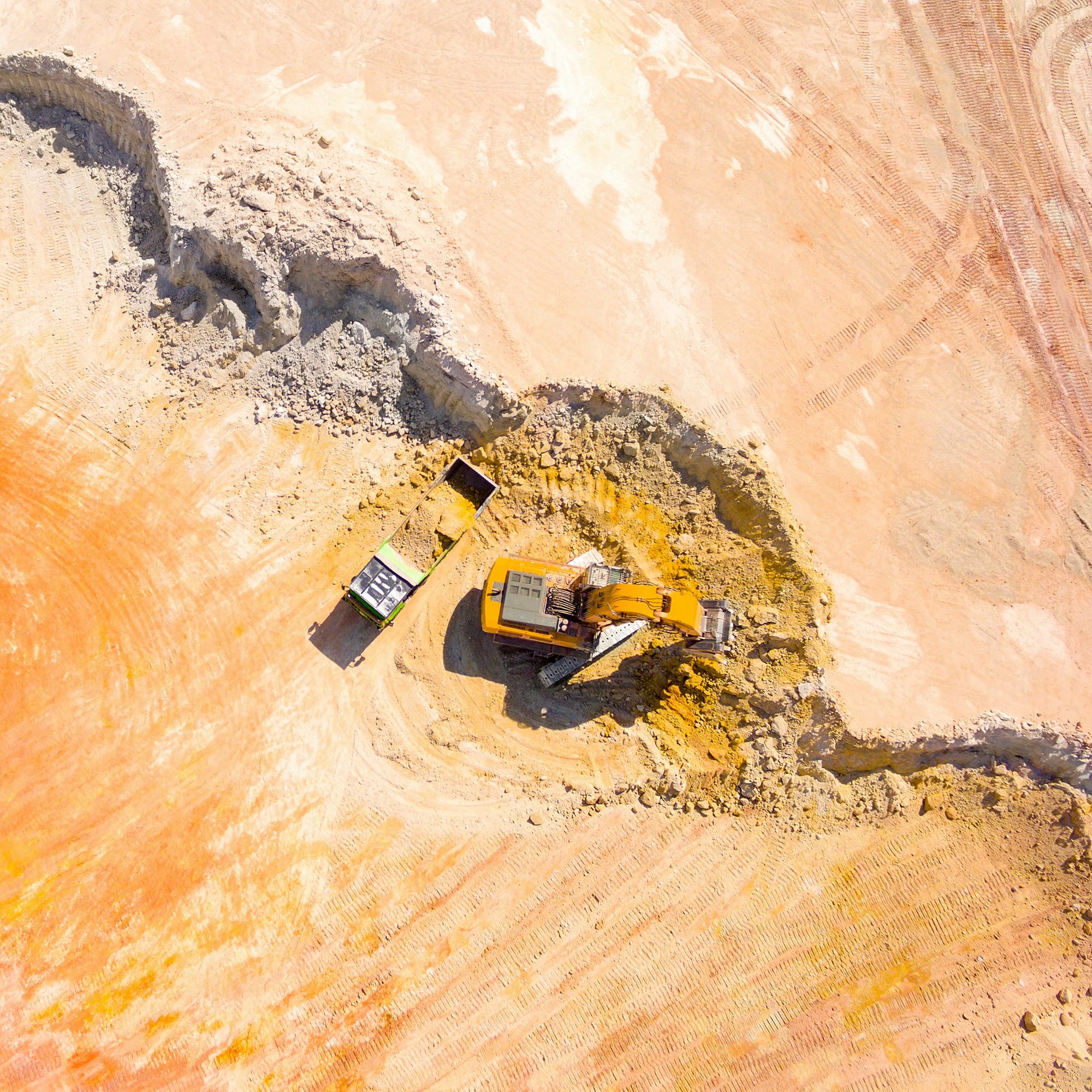
How PFAS Soil Remediation Works by Site Type
There is no single soil fix. The right approach depends on how concentrated the source is, how deep it sits, and what the land will be used for afterward.
Former Industrial Sites: Excavation, Soil Washing, and Long-term Monitoring
For accessible source zones, the established route is excavation followed by off-site disposal or destruction, or soil washing that transfers PFAS from soil into a wash water stream that is then treated. Soil washing reduces the volume that needs off-site handling, but it produces a concentrated liquid that still requires a destruction step. Because residual PFAS can keep leaching, long-term groundwater monitoring is usually part of the remedy.
Military and AFFF Sites: High-concentration Hotspots and In-situ Options
Sites where aqueous film-forming foam was used tend to have intense, localized contamination. Excavating and incinerating everything is costly and shifts the burden elsewhere, so operators increasingly evaluate in-situ options such as sorption and stabilization with colloidal activated carbon, which immobilizes PFAS in place, sometimes paired with a permeable reactive barrier to contain residual flux downgradient.
Around Incinerators: Incomplete Combustion and PFAS Reformation
Thermal destruction of PFAS demands extreme temperatures, and incomplete combustion can release fluorinated products rather than fully mineralize them. Sites near older incineration facilities can therefore need both air-emission monitoring and soil cleanup, which is why thermal handling is not a simple end-of-life answer for PFAS.
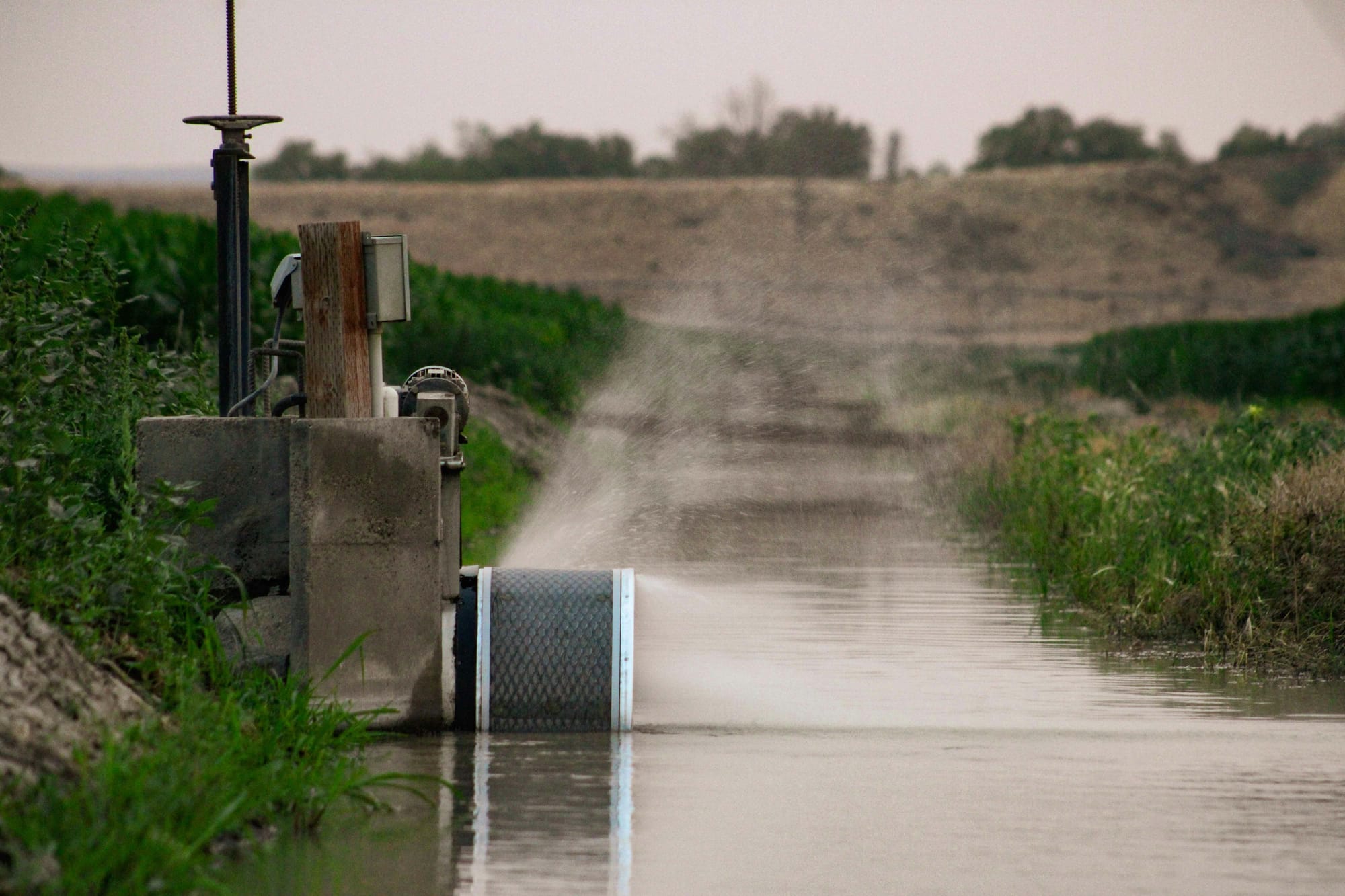
PFAS Groundwater Remediation and the Pump-and-Treat Reality
Groundwater is where most PFAS site budgets end up, because the plume keeps moving and the treatment runs for a very long time.
Pump-and-Treat Captures the Plume but Runs for Decades
The conventional approach extracts contaminated groundwater and treats it above ground, typically with activated carbon or ion exchange, to prevent the plume from spreading. It works, but it removes mass slowly and commonly operates for decades, which is a large share of why these projects are expensive.
In-situ Sorption and Reactive Barriers
As an alternative or complement, in-situ sorption injects a sorbent such as colloidal activated carbon into the subsurface to bind PFAS in place, and permeable reactive barriers intercept a plume as it flows through. These reduce pumping needs but stabilize rather than destroy the contamination, so the underlying mass still has to be addressed eventually.
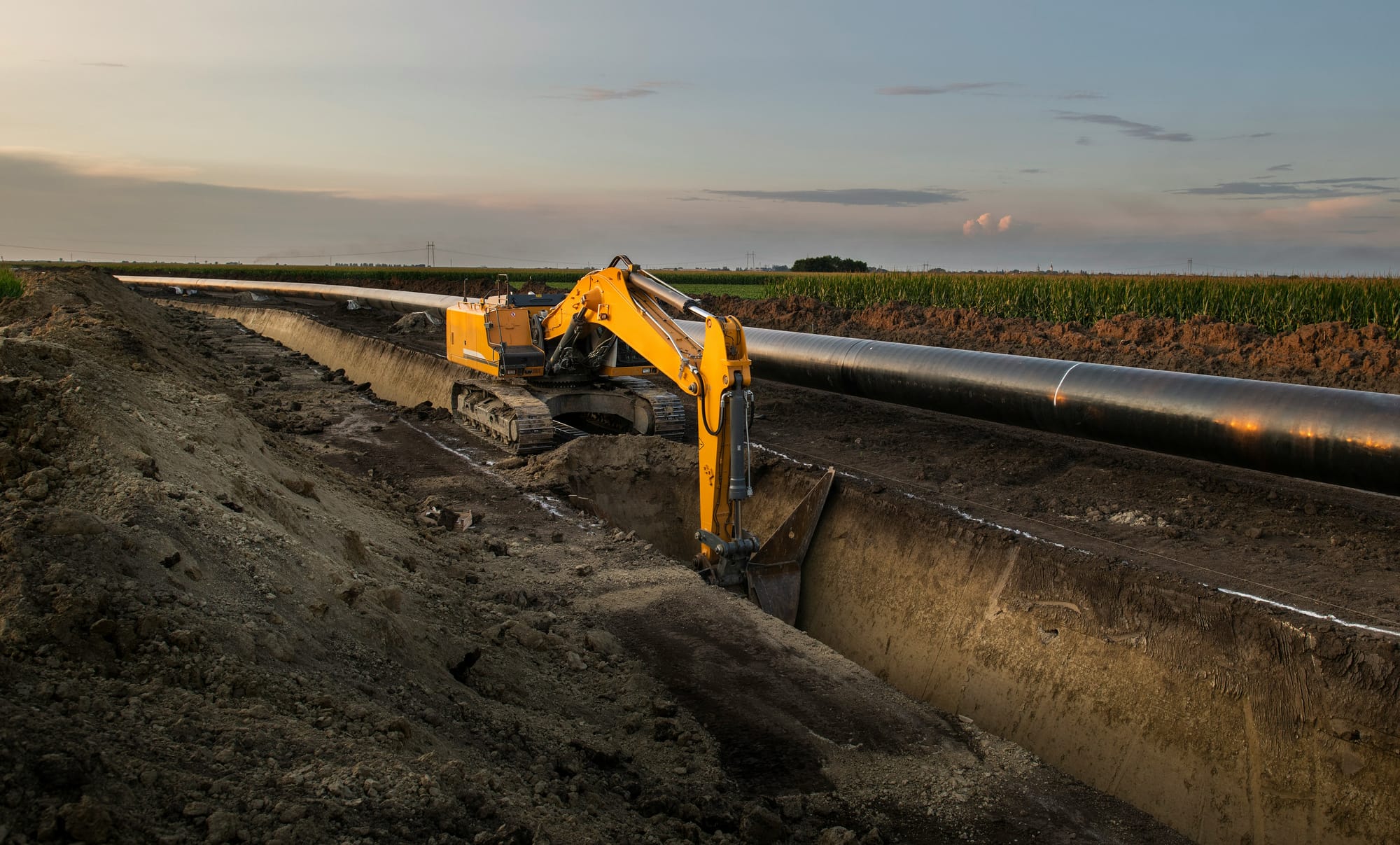
In-Situ vs. Ex-Situ PFAS Remediation: The Practical Tradeoff
Almost every site decision comes down to treating material in place or removing it first. The tradeoff is concrete.
| Factor | In-situ (treat in place) | Ex-situ (remove first) |
|---|---|---|
| Cost profile | Lower transport and disposal cost | Higher excavation and handling cost |
| Timeline | Can run long as monitoring continues | Faster mass removal, longer logistics |
| Site use | Less disruption to the site | Site is disturbed during works |
| Waste generated | Minimal off-site waste | Contaminated media and residues |
| Certainty | Immobilization, not destruction | Mass physically removed |
When Ex-situ Makes Sense
Ex-situ fits smaller, high-concentration hotspots where physically removing the mass gives certainty and the volume is manageable. The cost is the excavation, transport, and the downstream handling of what was dug up.
When In-situ Makes Sense
In-situ fits larger or deeper contamination where excavation is impractical, and where stabilizing the source while monitoring is more workable than moving thousands of tons of soil. The tradeoff is that immobilization is not elimination, so the plan needs a long horizon.
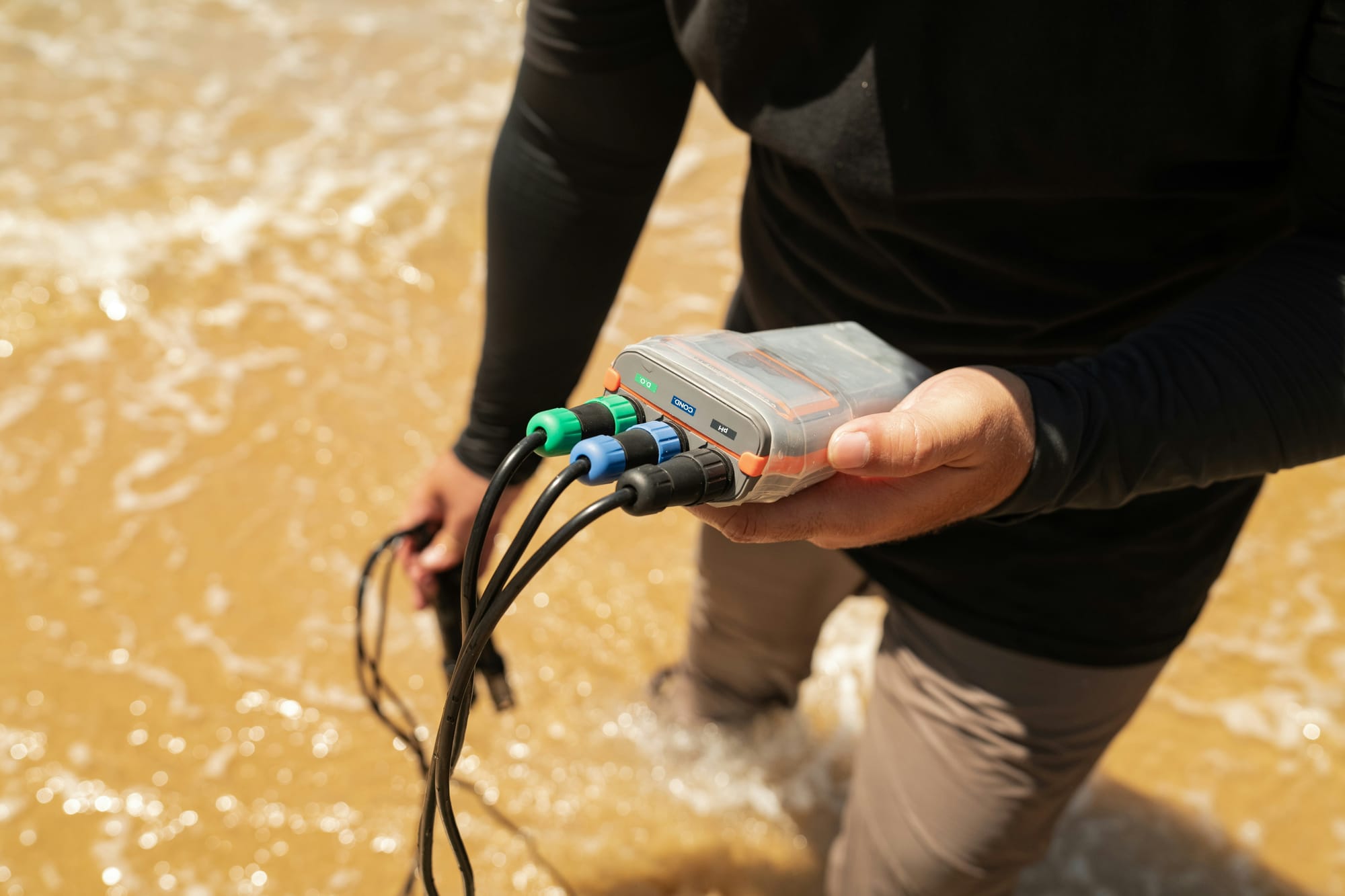
Why PFAS Site Remediation Takes So Long and Costs So Much
The honest answer is a mismatch: the demand is destruction, but most proven field tools only capture or contain.
No Full-scale In-situ Destruction Yet, So Capture Dominates
There is currently no in-situ destructive soil treatment demonstrated at full scale, so field remediation leans on capture, containment, and pump-and-treat. Those methods buy control and prevent spread, but they leave the PFAS intact and defer the destruction step.
The Concentrate Still Needs Destruction
Every capture-based method ends with a smaller, more concentrated stream of PFAS: spent carbon, wash water, or a reject brine. That concentrate is where destruction technology comes in, and designing that final step is the subject of our system design guide. Remediation and destruction are not competitors. They are consecutive stages of the same job.
Frequently Asked Questions
How are PFAS-contaminated sites cleaned up?
Through a combination of soil methods (excavation, soil washing, or in-situ stabilization) and groundwater methods (pump-and-treat or in-situ sorption), usually with long-term monitoring. Most of these capture or contain PFAS, leaving a concentrated stream that then needs destruction.
What is the difference between in-situ and ex-situ remediation?
In-situ treats contamination where it sits, minimizing transport and site disruption but stabilizing rather than removing the mass. Ex-situ removes the material first for treatment or disposal, giving more certainty at higher handling cost.
Why does PFAS remediation take so long?
Because pump-and-treat and containment remove mass slowly and often run for decades, and because no full-scale in-situ destruction method exists yet, so most sites rely on capture and long-term monitoring.
Can PFAS in soil be destroyed on site?
Not yet at full field scale. In-situ methods today mainly immobilize PFAS, while destruction generally happens after the contamination is captured and concentrated into a treatable stream.
The Bottom Line
Knowing how PFAS spreads is not the same as cleaning it up. The gap between the two, capture now and destroy the concentrate later, is where the real work and cost of site remediation sit.